
-
Published
September 23, 2026
-
Category
Thought Leadership -
Share
Facebook LinkedIn X
What the Brands We Love Get Right (And What They’re Learning)
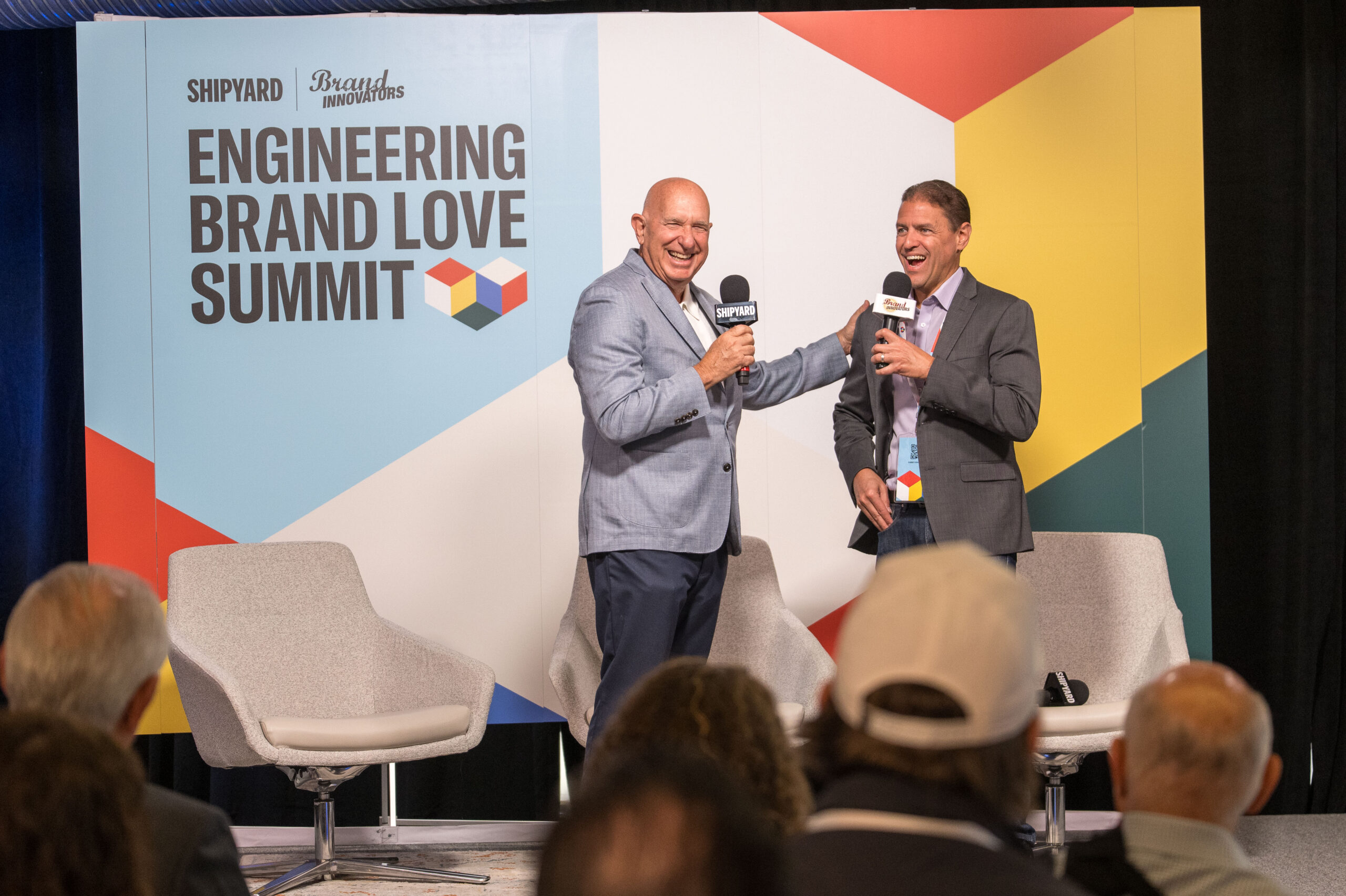
“What makes someone choose your brand, come back to it, defend it?”
This question was at the heart of The Shipyard’s fourth annual Engineering Brand Love Summit, where marketers, brand leaders, and industry experts came together to unpack what makes brands relevant, trusted, memorable, and, ultimately, loved.
Across conversations spanning sports, consumer packaged goods (CPG), hospitality, technology, media, and partnerships, one thing became clear: brands aren’t sustained on a single campaign, clever activation, or a bigger media budget. Brand Love is engineered through the intentional decisions brands make about how they show up, what they stand for, how they treat people, and whether they deliver on their promises.
Here are five themes that stuck with us:
1. Trust Is Still the Most Valuable Currency.
Earning and maintaining real-world trust isn’t easy.
Throughout the Summit, speakers returned to the idea that trust is built and sustained through consistency, accountability, and the experiences people have with a brand over time.
As Jim McCoy, Vice President, Sports Marketing, Print & Promotions, Nationwide shared, Nationwide’s long-standing partnership with Nationwide Children’s Hospital offered one example of what trust can look like at scale. Since 2011, the partnership has raised nearly $70 million for the hospital. This long, consistent history gives the public and Nationwide’s customers a reason to believe that the brand’s values are more than words and that they honor their commitments.
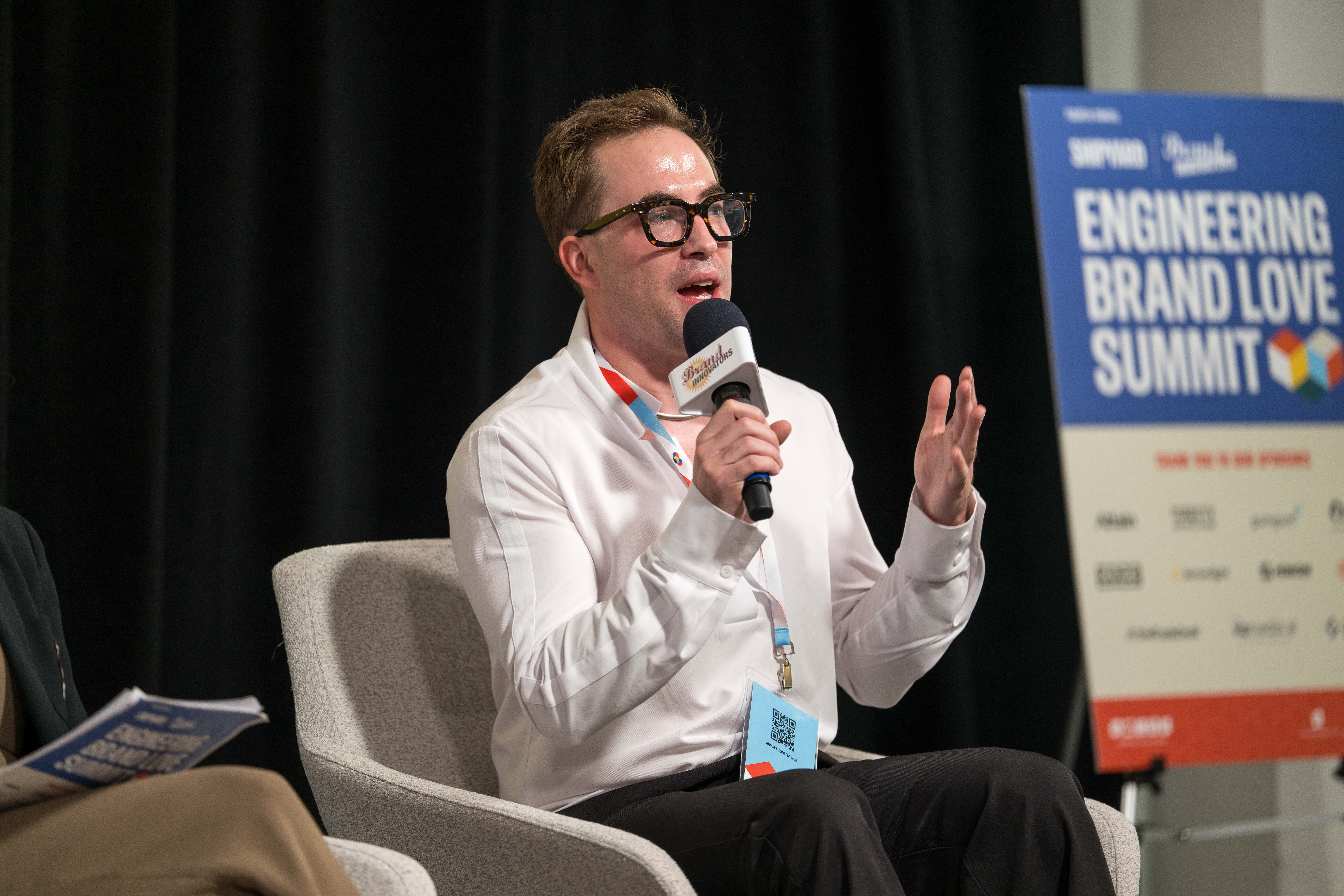
Other conversations brought that same idea down to the customer level. Evan Pardue, Senior Director, Marketing & Brand, Condado Tacos, shared that even the smallest acts of attentiveness can shape how someone feels about the brand. One example involved a server purchasing scissors for a catering guest who needed them, turning a small problem into a memorable moment of service that helped foster the customer’s brand loyalty.
Sometimes, the most revealing customer feedback isn’t the glowing review. It’s the five-star review that still mentions something went wrong. Brands can use those moments to understand how much grace customers are willing to extend and learn where there may be issues worth fixing.
The takeaway: Trust isn’t built by saying you care; it’s built by showing it.
2. Stay Relevant. Just Don’t Lose Yourself in the Process.
Consumer expectations evolve. Categories shift. New trends show up every five minutes. But that doesn’t mean your brand needs to chase all of them.
The conversations with Aaron Sobol, Head of NA Media Investment, Unilever; Emily Cushman, Senior Brand Manager, Dinner Sides, Bob Evans; and Molly Lombardi, Director of Marketing, White Castle, highlighted the importance of knowing what can change and what needs to stay rooted in the brand’s history.
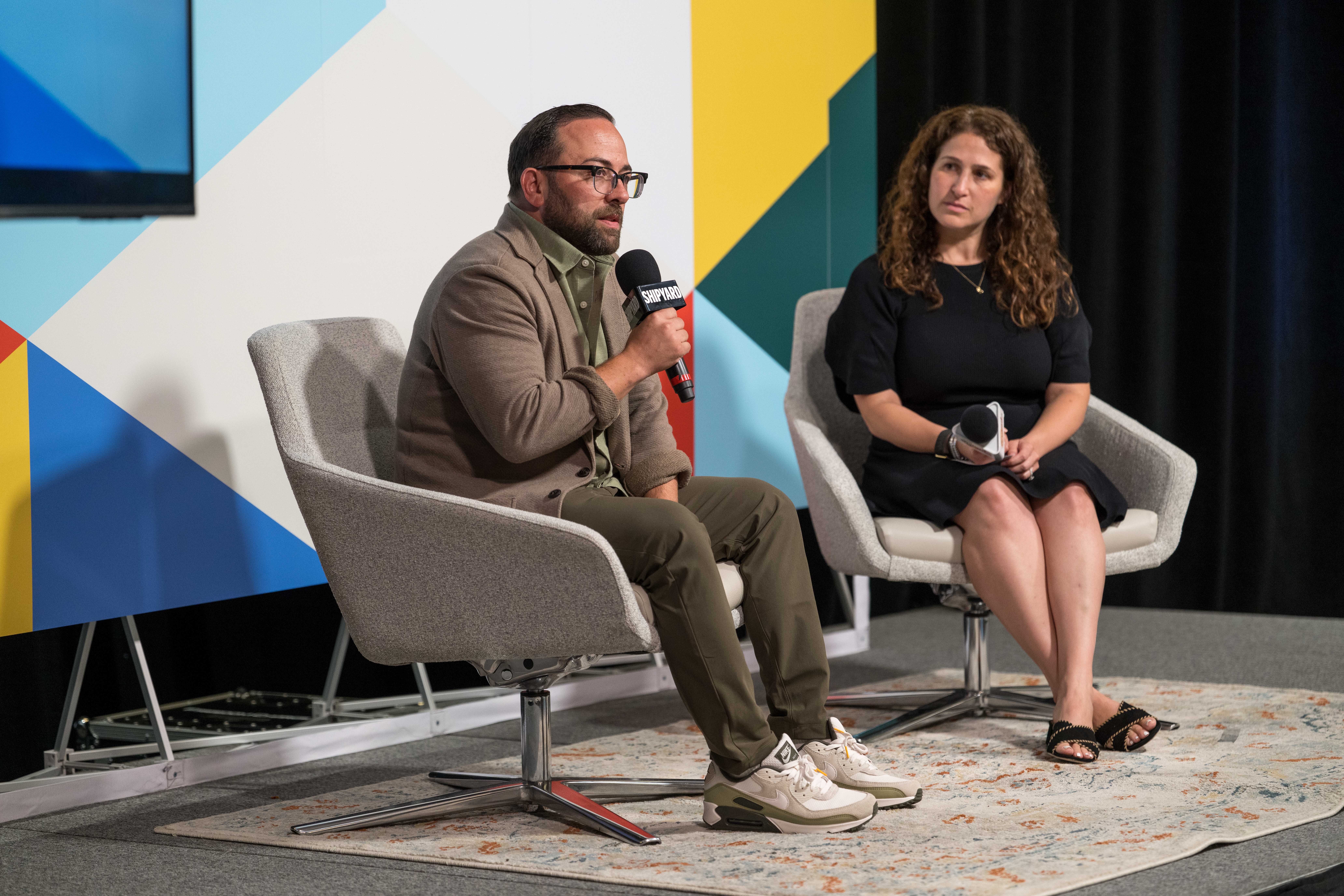
Unilever’s Aaron Sobol shared stories from iconic brands from 150-year-old Vaseline to Dove’s ongoing “Real Beauty” platform, making the case that, like people, every brand is at a different point in its ‘life,’ and a brand’s need to evolve or stay consistent is unique. For example, even with the rise of AI art and video, Dove’s refusal to use AI or retouching in its ads, along with its Cannes-winning Reddit campaign built on real, unfiltered product reviews, offered a strong example of a legacy brand staying relevant by staying faithful to its core identity.
The takeaway: Don’t chase every trend just because consumers are talking about it. Carefully assess whether a trend aligns with your brands values before acting on it.
3. AI Can Accelerate the Work, But It Can’t Replace the Why.
You can’t bring a room of marketers together in 2026 and expect AI not to come up. But the conversation didn’t focus on whether AI can do more or how much. Instead, it was how marketers can use AI without losing the human thinking behind the work.
One example: AI can take a time-consuming task like pulling together and reformatting information from multiple decks and turn it into minutes of work instead of hours. That creates more room for the parts of the job that still require human judgment, from creative problem-solving to making sure the work actually feels like the brand.
The same goes for using AI as a second set of eyes. It can flag contradictions, review content, and even help anticipate questions, but it can still miss the nuances of a brand, which is where human oversight matters. One panelist shared how her team had to handle a third-party ad that included a subtle but important branding error. The ad used the same base commercial to different markets by AI-generating different jerseys for those in the ad. AI got it wrong, and no human at the company spotted it, so our panelist’s team had to kick into action. She also shared how some in the public thought that the brand had created this careless, AI-generated ad, resulting in the brand’s need to rebuild some trust with its market.
The takeaway: Overreliance on AI risks flooding the world with more mediocre content. The wiser play is to use AI to test ideas faster, reduce risk, and create more room for the thinking that makes the work matter in the first place, allowing people to focus on the ideas that keep customers loving a brand.
4. The Best Brand Experiences Are Designed to Be Felt, Not Just Seen.
A good brand experience gets attention. A great one keeps that attention by giving people something to talk about after the experience ends.
This idea came through in conversations about sports, entertainment, hospitality, and community partnerships.
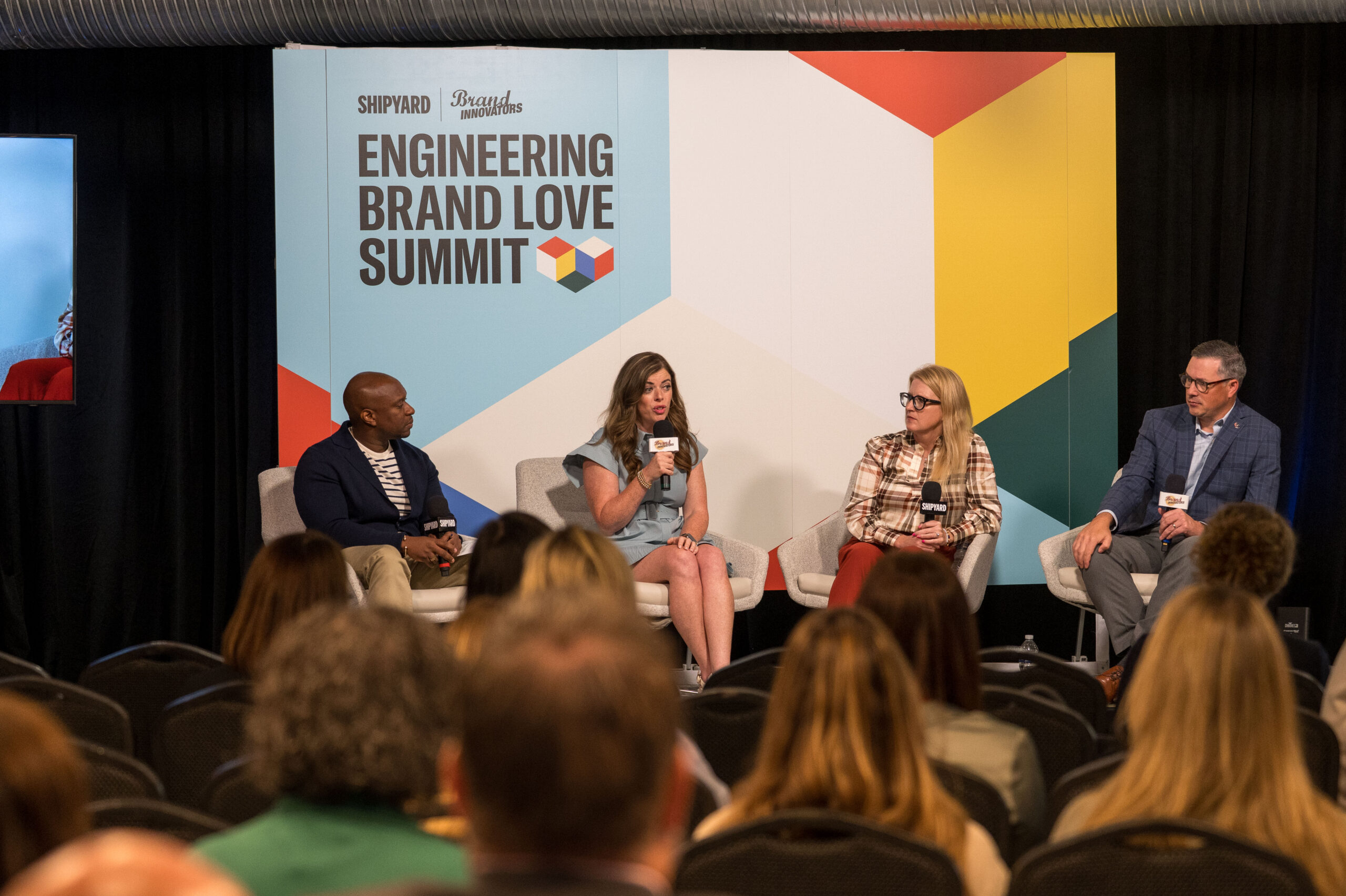
Sarah Townes, Chief Marketing and Innovation Officer, Experience Columbus; Tracy Hedrick, Assistant General Manager, Promo Strategy, Marketing & Comms – Schottenstein Center & Nationwide Arena, Columbus Arena Sports & Entertainment; and Ryan Chenault, Vice President of Marketing, Columbus Blue Jackets shared the opinion that it’s not just about slapping your logo somewhere interesting. Twenty One Pilots partnered with Ohio Stadium to use a drone show to announce their concert date and venue, literally lighting up the sky above the Horseshoe. The “Get Goosebumps in Columbus” initiative wasn’t just a library event sponsored by a company; Experience Columbus gathered 30 local partners together to produce a celebration around youth horror novelist and Columbus native R.L. Stine that spanned spooky foodie experiences, a family movie night screening of Goosebumps, and a lecture by the author himself.
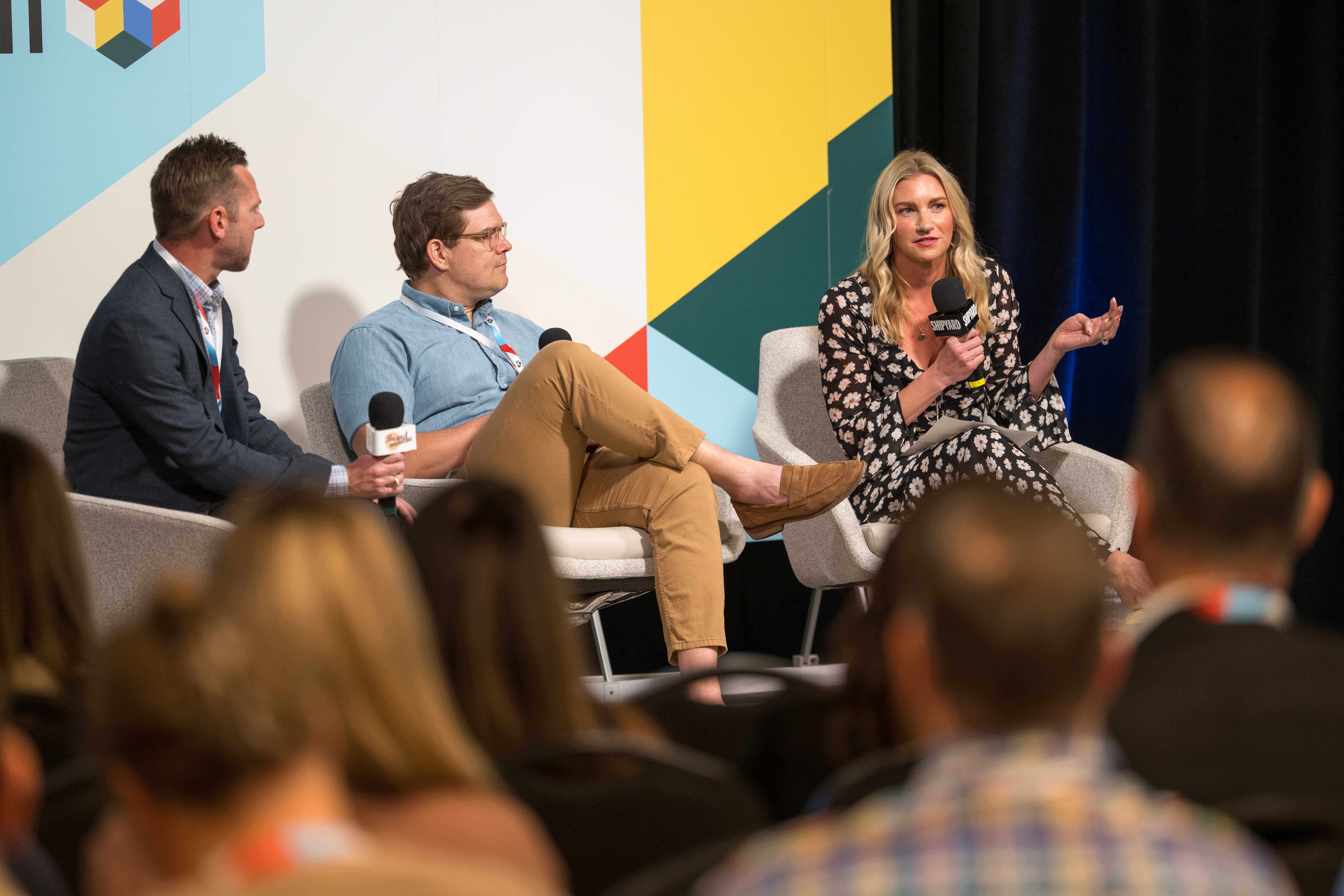
Another example provided by Traci Graziani, Head of Brand and Trade Marketing, Away From Home, Kraft Heinz, was about Kraft Heinz’s partnership with Disney, which showed how brands can tap into existing fandoms and cultural moments in ways that feel additive rather than interruptive. Fans at Disney just have to dip a fry to experience the partnership.
The takeaway: Brands words may be forgettable, but people will remember what your brand helped them feel.
5. Measure What People Feel, Not Just What They Do.
Speaking of feelings: Impressions, clicks, conversions, and satisfaction scores all have their place but can’t tell the whole story.
Several Summit conversations challenged the idea that brand health can be understood through a dashboard alone. The more useful questions often sit just beneath the topline metrics:
Why did someone choose us?
What made them come back?
What made them forgive a bad experience?
What made the experience feel worth the price?
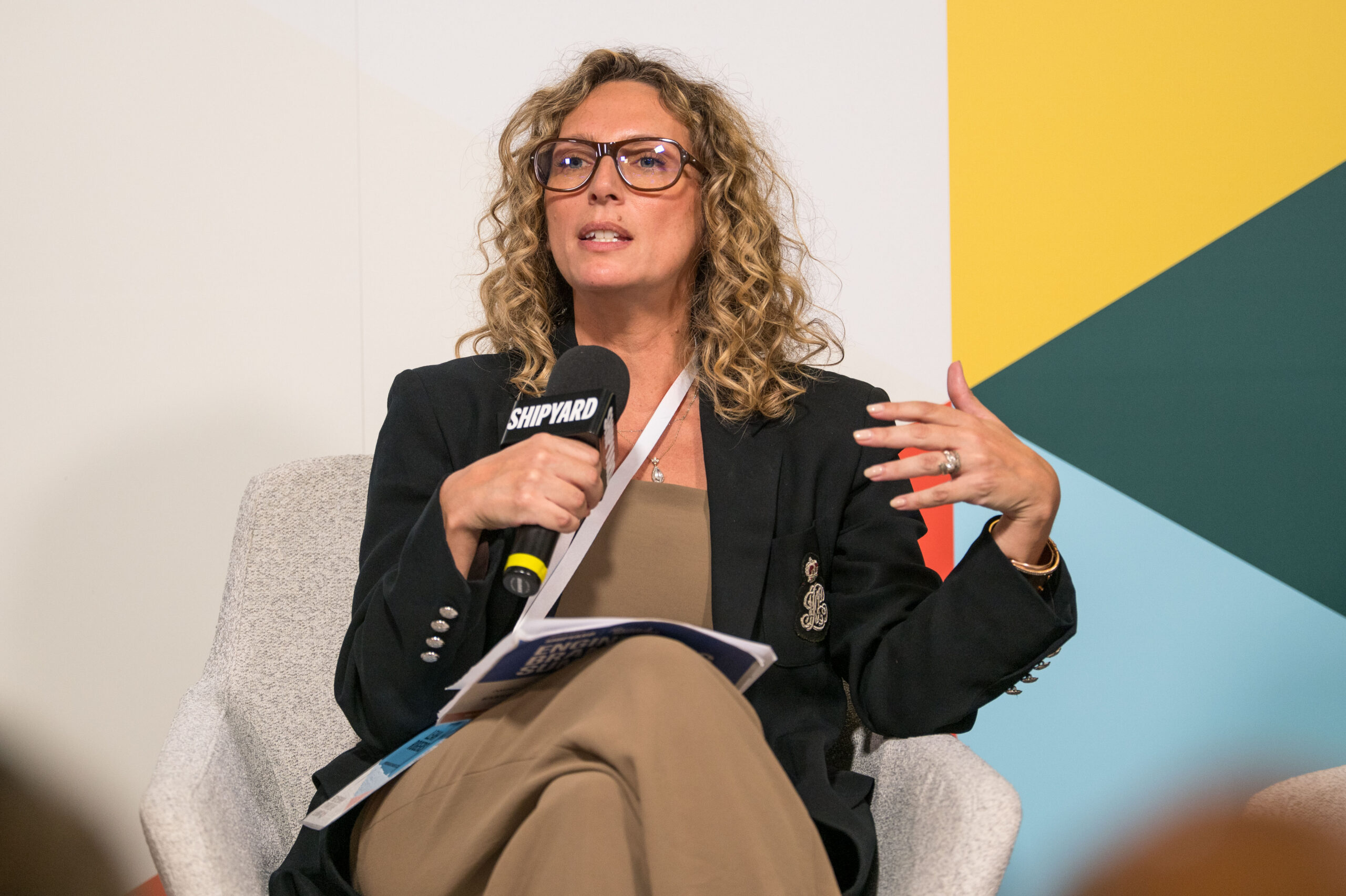
Evan Pardue of Condado Tacos said that answering those questions means looking beyond traditional CSAT scores and paying attention to “incident rate,” or the moments when guests mention a problem even in an otherwise positive review, and reacting promptly and appropriately. Leah Rogers, Vice President, Select Advisor Group & Affluent Strategy and Support Manager, JPMorgan Chase & Co., shared that it means making sure that their Chase Sapphire customers feel that the service and the overall value of the experience they receive feel meaningfully greater than the annual fee.
The takeaway: Don’t abandon the dashboard. Just stop pretending the dashboard captures the entire customer relationship.
To Engineer Brand Love, Make It Matter
Brand Love isn’t built by chasing every trend, churning out a ton of content, or creating one big moment. It comes from knowing what your brand stands for, understanding what people value, and consistently giving them a reason to believe, return, and care.
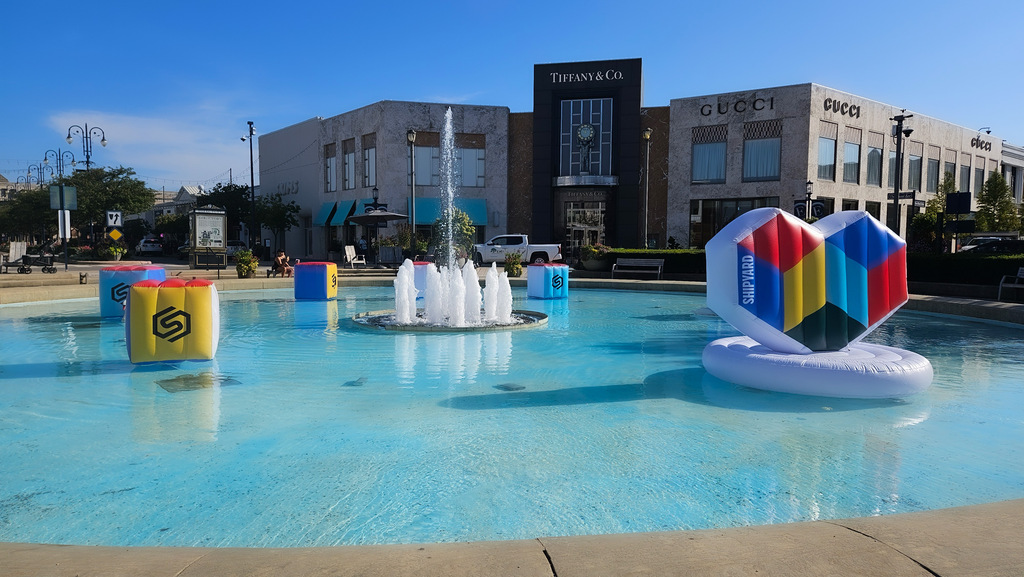
Thank you to our partners at Brand Innovators, Brainstorm Media, and Breakaway for helping make this year’s Summit one to remember, and to multiplatinum artist Bryce Vine for an incredible performance to close out the day.

RELATED ARTICLES
-
The Authenticity Era: Winning Through Human Connection
- September 22, 2026
- Thought Leadership
-
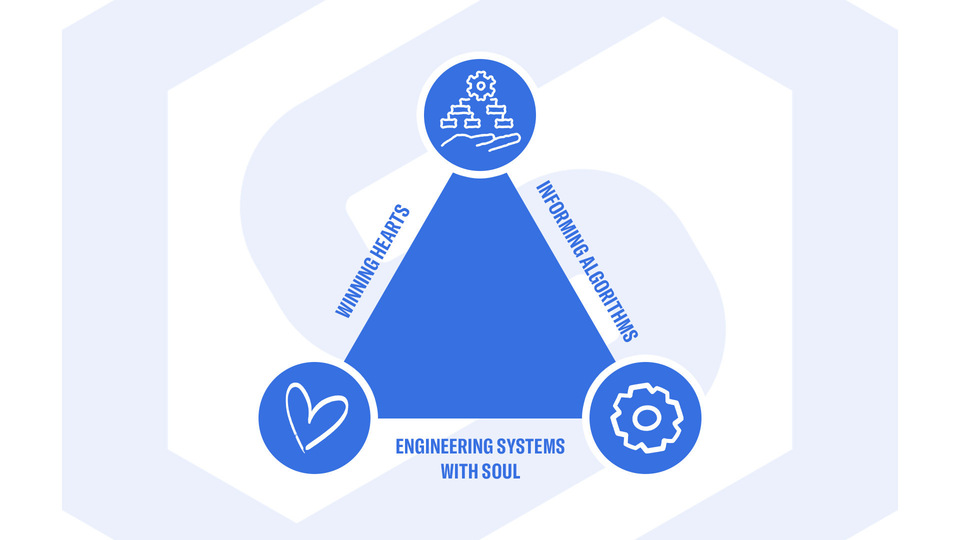
The Love Triangle Every Brand Is in Now
- September 3, 2026
- Thought Leadership
-

Conversational AI Is Creating a New Media Channel. It Will Take More Than One Discipline to Build It.
- August 17, 2026
- Thought Leadership